General Questions:
Why Paint Galvanized surfaces with and oil-based primer?
Painting galvanized surfaces with an oil-based primer is recommended for several important reasons, primarily related to the unique chemical and physical properties of galvanized metal:
1. Adhesion to the Zinc Coating
Galvanized metal is coated with a layer of zinc to prevent corrosion. However, this zinc layer can resist standard paints due to:
-
Smoothness of the surface.
-
Presence of oily residues from the galvanizing process.
-
Zinc corrosion products like white rust, which inhibit adhesion.
Oil-based primers are formulated to bond well to metal and can penetrate and adhere better to slightly oily or less porous surfaces compared to water-based alternatives.
2. Corrosion Resistance
Oil-based primers provide a robust moisture-resistant barrier, helping:
-
Prevent rust and corrosion under the paint layer.
-
Enhance the longevity of the coating, especially in outdoor or industrial environments.
3. Compatibility with Topcoats
Oil-based primers create a strong, flexible base layer that is compatible with a wide range of topcoats (including oil-based or some latex paints), ensuring:
-
Proper bonding of the top layer.
-
A smooth, even finish.
Important Notes:
-
Surface preparation is critical: Even with an oil-based primer, proper cleaning and possibly etching (with a mild acid or a specialized galvanized metal cleaner) is necessary.
-
Special galvanized metal primers (also known as bonding primers) are often better than generic oil-based primers, as they are specifically designed for zinc-coated surfaces.
In summary, oil-based primers are used on galvanized surfaces primarily because they offer superior adhesion and corrosion protection, especially when proper surface prep is followed.
Why Are Dark Lines or Dots Showing Up on My Exterior or Interior Walls or Ceilings?
This is called Ghosting or Thermal Bridging.
Ghosting (thermal bridging) is caused by either the frame work or fixings (nails/screws) being colder the surrounding surface due to a heat sink affect. The immediate underlying
area is less insulated compared to the area directly next to it. This can cause damp air to condense on the colder area (above frames/fixing heads) that are colder. The result being darker areas that follow the patterns of the framing.
How can I understand Light Reflective Values, (LVR)?
Reflectance is the proportion of light that a surface reflects compared to the amount of light that falls on that surface. Dark, matt and/or textured surfaces absorb a lot of light and have low light reflectance values. Light, glossy and/or smooth surfaces reflect most of the light that falls on them and have high light reflectance values.
Which company make the best paint?
We are lucky in New Zealand to have world leading technology. In leading brands like Resene, Dulux, Wattyl, Aalto and also some great smaller brands like Paint Plus. However, we do have our favourite recommendations for specific surfaces and we are happy to discuss these with you.
Exterior Painting:
Why are my acrylic painted windows sticking now that they are painted?
When acrylic-painted windows start sticking after being painted, it’s usually due to one or more of these common reasons:
1. Incomplete Curing
-
Acrylic paint dries quickly to the touch, but curing (fully hardening) takes much longer — sometimes up to 3-4 weeks, depending on the environment.
-
If the windows are closed too soon after painting, the paint layers can fuse together under pressure or humidity.
2. Paint-on-Paint Contact (Blocking)
-
Acrylic paint, especially if it’s not fully cured or if multiple coats are thick, can experience “blocking” — a condition where two painted surfaces stick to each other when pressed together.
-
This is especially common in windows where painted edges meet.
3. High Humidity or Heat
-
Humidity slows down drying and curing, and warm temperatures can make the paint softer, both contributing to sticking.
4. Too Much Paint in Moving Areas
-
If you painted into the seams, joints, or contact areas of the windows, excess paint can act like glue once dried and cause sticking or bonding.
5. Wrong Type of Acrylic
-
Craft acrylics or indoor wall paints may not be ideal for windows or trim — they remain softer than enamel or exterior-grade acrylic latex, which cure harder and resist blocking better.
How to Fix It:
-
Gently open the windows using a putty knife or razor blade to separate any sticking parts.
-
Apply a light dusting of talcum powder or wax (like paraffin or candle wax) to the edges to reduce sticking.
-
If necessary, sand the contact areas lightly and repaint with a thin coat of non-blocking paint or add a clear, hard non-blocking polyurethane sealant (check it’s suitable for acrylic and for use near windows).
-
For future projects, leave windows slightly ajar while drying, especially during the curing phase.
Can Old Lead Paint be Removed Safely?
Lead poisoning is dangerous and we take the safety of our staff and clients very seriously. All of our staff are fully trained to minimise any lead dust contamination to our staff, clients and their pets. We monitor our staffs’ lead levels to make sure they are still healthy.
Some things to note:
- Please do not open doors or windows where sanding is taking place.
- Do not rub the bare walls, or if you do please wash your hands after especially before eating.
- Watch your animals, particularly their food sources.
- Watch your children. They are naturally curious but please make sure they don’t rub the stripped walls.
- If you see anything that a team member is doing that makes you uncomfortable, please call Paul 021 964 489.
See this how NOT to Master Painters Fact Sheet:
Why are Blotches and Patches Showing on New Weatherboards?
This is called Surfactant Leaching. It’s caused by moisture or rain getting on a freshly painted but not yet cured surface. Paint can take from 48 hours to 6 weeks to cure depending on the temperature and humidity.
After a few rains the leaching will wash off.
Why don’t you gap fill between weather boards?
It’s not recommended for gaps to be filled under weatherboards on a new build as the gaps form part of the system that allows the cladding to breath and move. On old homes if all of the gaps in the weatherboard and eaves are filled, the house can’t breathe and dry out and will lead to more rotten boards.
Why do you brush and roll and not spray?
Which is better brush or spray finish. Both options have their place. The traditional brush is good as it allows you to prepare as you go and more detail is possible. Also gives some mechanical adhesion. Spraying if done well by an experienced operator is also good as you can put a thicker more even coating on with a nicer finish. However, with spraying the surface needs to be immaculately clean and perfectly prepared.
Why do you prime nail holes before filling them?
Should timber be primed before filling? Although not essential for optimum results all wood should be primed before being filled.
What are the best options for sheen levels for an exterior paint job?
For the last two decades fashion has dictated that low sheen has become very popular on the exterior of homes.
But is it always good to follow fashion.
When deciding on your sheen level consider these things.
While low sheen in theory should last the same amount of time as Semi Gloss or Gloss finish. Other factors will effect the life span. Low sheen will get dirtier and unless cleaned often, this will make the paint deteriorate faster.
Low sheen will not always be as colour fast as gloss paint.
We recommend as a good compromise, stick with semi gloss or get brave and use Full gloss.
Why do you use ‘Peel and Seal’ on safety glass?
Safety glass cannot be mechanically cleaned either on the interior or exterior. A product like seal and peel must be used to protect the glass.
Why is it best not to paint stainless steel?
Stainless steel needs oxygen to repair its chromium oxide passive film which prevents corrosion. So not painting stainless steel is best. Not painting gives good exposure to oxygen to repair itself if any salt or contaminants get on it – so long as the stainless is maintained (washed every so often, if used externally) and of a suitable stainless grade and finish.
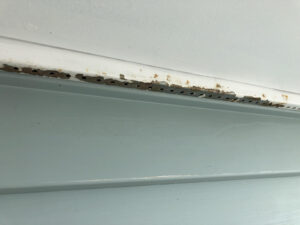
How can I maintain my exterior paint work?
Your paint job will require regular maintenance due to our wet winters and dry hot summers. This means your timber will expand and contract significantly each year.
On a regular basis you should walk around the exterior of your home looking for dryrot, water penetration, cracks, and chalking. About once a year it is a good idea to carefully wash your home to remove the accumulation of surface dirt.
If you see any signs of cracking, (usually on the western/north face), call us to remediate these. This small amount of maintenance will make your paint job last significantly longer.
How long will my exterior paint job last?
Acrylic paint systems will last up to 15 years if in ideal situations and if well maintained. What will affect this will be…
Interior Painting:
Which is better, oil-based enamel or acrylic enamel for interior doors windows and trims?
Choosing between oil-based enamel and acrylic enamel for interior doors, windows, and trim depends on your priorities — such as durability, appearance, ease of application, odor, and cleanup. Here’s a comparison to help you decide:
1. Oil-Based Enamel
Pros:
-
Durability: Very hard, tough finish — excellent for high-traffic areas like doors and trims.
-
Smooth Finish: Flows and levels beautifully, leaving a glassy, professional-looking surface.
-
Stain Resistance: Resists stains and scuffing better than acrylic in many cases.
Cons:
-
Odor and VOCs: Strong smell and high in volatile organic compounds (VOCs), which can be unpleasant and unhealthy without good ventilation.
-
Cleanup: Requires mineral spirits or turpentine for cleaning brushes and spills.
-
Yellowing Over Time: Tends to yellow, especially in low-light areas.
-
Drying Time: Slower drying, which increases risk of dust settling in the finish but allows more working time.
2. Acrylic Enamel (Water-Based)
Pros:
-
Low Odor and Low VOC: Much safer and easier to work with indoors.
-
Fast Drying: Touch-dry within an hour or two; recoatable quickly.
-
Non-Yellowing: Keeps its color over time, even in dark spaces.
-
Easy Cleanup: Just soap and water needed.
Cons:
-
Less Durable (Historically): Not as hard-wearing as oil-based, but modern acrylic enamels have improved significantly.
-
Brush Marks: May show brush marks more easily unless applied carefully or with good tools.
-
Not as Smooth: Doesn’t level quite as well as oil-based enamels.
Recommendations:
-
For Traditional, High-End Finish: Use oil-based enamel, especially if you want that hard, glassy look and don’t mind the smell or cleanup.
-
For Everyday Use and Convenience: Go with a high-quality acrylic enamel.
Final Verdict:
-
If durability and finish quality are your top priorities and you’re okay with more effort, oil-based enamel is superior.
-
If you want easier application, faster cleanup, and a safer indoor environment, a premium acrylic enamel is better — and the performance gap is narrower than ever.
Why is the Filler Showing Up or Bulging Through My Paintwork?
This usually occurs when a home has its moisture levels changed. Examples of this:
- A new home, particularly built during winter.
- Change of a heating system.
- New roof.
- New insulation.
Your homes moisture level will change. In a new home moisture levels in timber can change form 18% down to 10%. However, the filler stays the same size. So what was once a flush fill can now be seen as a bulge or crack.
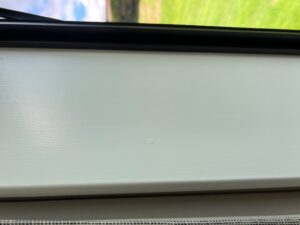
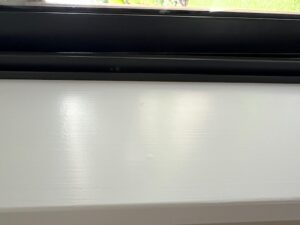
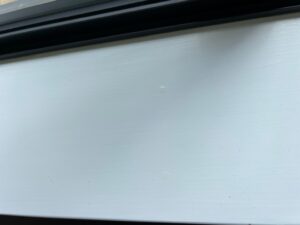
Why Have Cracks Appeared on My Doors, Trims or Scotia?
It is very common to see shrinkage and movement of timber especially on new building work, and where renovation work has been undertaken. Over a period of several weeks and months, gaps begin to appear in timber door frames, window frames and skirting boards. This shrinkage is often most noticeable when the painting work has been completed during the wettest and coldest months of the year.
If the house has been locked up for any length of time after painting is completed, as the temperatures increase, and the building holds the heat, the timber will lose moisture content and shrinkage will occur. This shrinkage is often seen when heating is turned on, and the house is warmed through.
Timber shrinkage can also be seen on window frames and sills and takes the form of raised filler on the timber. As the timber shrinks the filler is forced up from the surface to form, often a dome shape.
For more information please see this Master Painters Fact Sheet:
Why Have the Nails Popped on My Gib Walls?
This can be unsightly and annoying as it usually happens not long after a home or renovation is built.
Fastening popping is actually commonly encountered not only in plasterboard but also in timber decking, a variety of wall cladding substrates and long run roofing. “Squeaky Floors” are likely to be a result of fastener popping. This annoying problem has been around as long as we have built with timber framing. It is highly unlikely to be caused by a painting workmanship failure, the paint coating or anything else the painting contractor may or may not have done in the painting process of the substrate. As long as the plasterboard has been installed according to the manufacturers recommendations any popping is more than likely related to timber shrinkage. The maximum moisture content of timber framing at the time of lining must not exceed 18%. A building inspector will help check this by testing a few areas. It can be very difficult to get down to this level of moisture content due to New Zealand’s cool wet winters. After a building is enclosed timber framing will find its equilibrium moisture content around 10 – 12% in summer and 13-16% in winter. When moisture content alters by +/- 3% the cross-sectional dimension of the timber framing
may vary +/- 1 mm. When timber shrinks the fastener pops out of the surface of the plasterboard or leaves a bulge in the compound.
Popping that occurs after at least one months heating cycle are a good indication that timber shrinkage is the cause.
For more information please see this Master Painters Fact Sheet:
Can I Get a Level 4 or 5 Paint Finish?
The simple answer is No.
Unlike plastering, painting has never had levels applied. The reason for that is painting is very subjective. What I might call a level5 finish could be a completely different standard to what someone else can obtain. Rather than look for levels that don’t exist, ask to view a previous job, then you can see if your expectations match reality.
Please see this attached Plastering Level Standards:
What are the best sheen levels for an interior paint job?
Matt or Flat Paint
- Best finish for ceilings only, but cannot be cleaned in any way.
- Not good for wet room ceilings.
- Recommend fly repellant be added to paint.
Lo-Sheen or Satin Paint
- Best finish for walls, but will still burnish and mark, however can be wiped but not scrubbed.
- Can be used on ceiling if cleaning is required.
- Can show defects up in walls and ceilings if critical light is present.
- If high traffic areas – Acrylic enamel Satin is a good option for hardwearing.
- Satin Acrylic enamels is a good option for wet area ceilings but should be given time to harden before steam can settle on it.
- Satin Acrylic enamels can be used on doors, trims and joinery but is not the best options it will get dirty easily.
Semi -Gloss Paint
- Semi gloss acrylic enamel Best finish on hardwearing, heavily used or damp areas like doors trims, bathrooms laundries.
- Semi gloss acrylic enamel. Best finish for wall on Hardwearing areas like garages or hallway walls.
How long will my interior paint job last?
Interior paint will last a long time. We have seen well maintained interior paint work last over 20 years. Interior paint will be affected by how well it is treated. If it has water pooling, cleaning products applied or regular touching and damage. If you want to keep your paintwork looking like new spend a day each year touching up areas that have been damaged. It will save you money in the long run.
What is critical light?
Critical light is when you look at a surface from an angle that reflects on a surface in a way that it shows up defects in the substrates. Examples of this might be along a hallway or stairwell that has a window at the end of it, ceilings that lookout to a great view but also a lot of light. Glancing light can be reflections, examples of this would be reflections from water, swimming pools, mirrors etc.
Is it worth paying for a good plaster job?
Plastering is absolutely critical to a good finish. Why spend hundreds, thousands or millions of dollars on a project to save a couple of thousand on a plasterer. A good plasterer is rare and worth paying for. Ask us for recommendations.
Wood Oils and Stains:
Why does a Film Settle on My Windows After a Coat of Wood Oil?
After a recoat of oil, there will be uncured oil on the surface of the boards. If significant rain or dew settles during the curing stage excess oil can run off the boards onto adjoining surfaces. It will have the appearance of a milky film.
This is easily removed with turpentine and in some extreme cases, some polishing of surfaces.
Why is my cedar wood oil too dark after application?
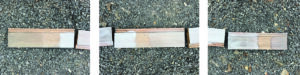
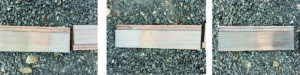
It is normal for wood oil to look darker than expected when first applied. The colour will lighten and change colour in a few days/weeks depending on the weather. Please see samples below.
.
Which is better wood oil or wood stain?
Wood Oil Advantages: (Includes Drydons, WoodDX, CD50, WOCA.)
- Wood oil will protect your timber the best if you are looking for a natural look. Your timber will not warp, cup or split as much if it is oiled.
- Wood oil has a great range of colours.
- Wood oil will give a nice flat natural look.
Wood Oil Disadvantages:
- Wood oil should be seen as a protective product not a decorative product.
- Wood oil colour will change dramatically when exposed to the sun, that is due to the oil migrating into the wood leaving the tinting powder on the surface.
Can I achieve a colour matching my sample with wood stain?
Simply put, no you can’t. Wood stain is affected by so many factors.
1. The porosity of the timber.
2.The age of the timber.
3. Previous coating.
4. Type of timber.
5. Type of stain (Oil or water based).
So, make sure you treat your samples as a guide only and if in doubt request sample areas. It doesn’t cost much but it can save a lot of heartache.
Recommended Products:
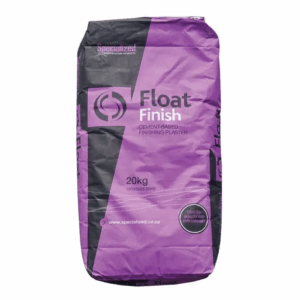
What is the best Top Coat for Sponge Finish?
Specialized – Float Finish – Tradextra
What is the best Base Coat for Sponge Finish repairs?
Specialized – Fine Mesh Coat – Tradextra

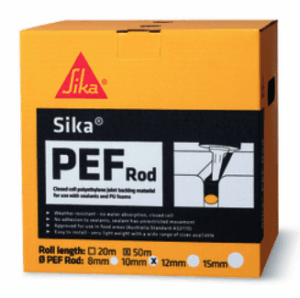
Where can I get PEF Rod?
PEF Rod is pushed into joint gaps to form a uniform and firm base for controlling the depth of gun applied elastomeric sealants such as Sikaflex. Comes in…
6 mm
8 mm
10 mm
12 mm
15 mm
20 mm
25 mm
30 mm
40 mm
50 mm
12 mm is about $1 /m from Placemakers.
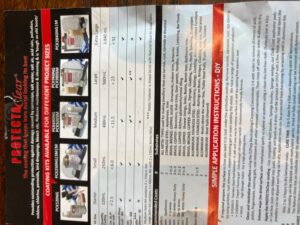
What is a recommended Clear Metal Protector?
A Good, Clear Metal Protector.

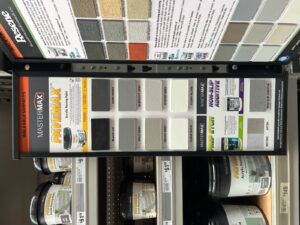
What is a recommended Decking Paint?
Good decking paint, doesn’t mark as easily as other products.

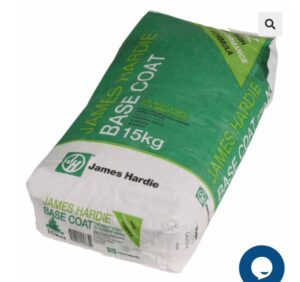
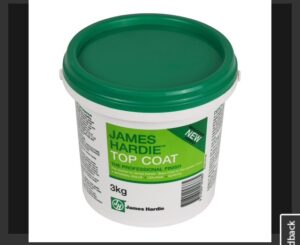
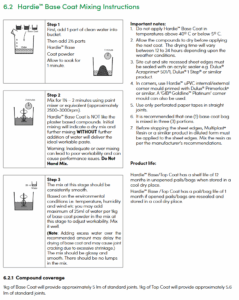
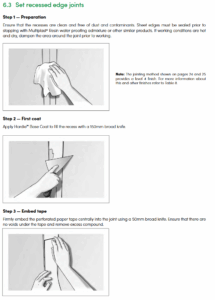
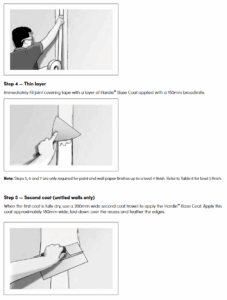
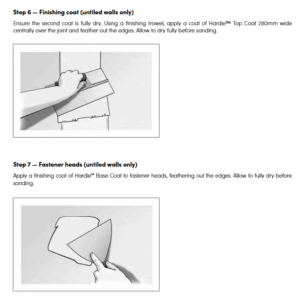
What is the correct system for plastering Hardie board?
Note: Joints should be primed before plastering.
Base Coat:
Top coat:
Process:
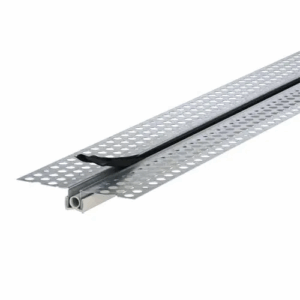
What Expansion Joint is best for Gib?
Gib Expansion Joint
$90+gst Tradextra or Hardware stores
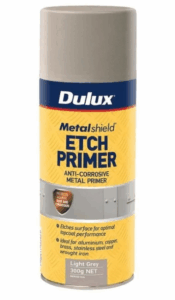
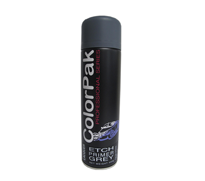
What is the best Etch Primer for soakers?
Dulux Metalshield Etch Primer Spraypack – Available from Dulux Kingsland or Bunnings.
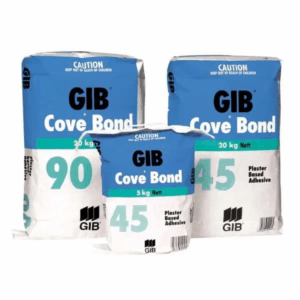
What is the approved cove adhesive?
Cove adhesive $45+gst
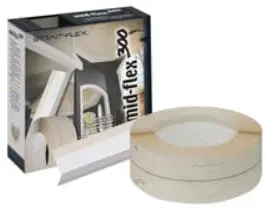
What is the approved Straight flex for square stop?
Straight flex for square stop $126+gst Tradextra or Ceiling dry wall.
What is the approved Topping compound for Gib?
Topping compound for Gib $95+gst
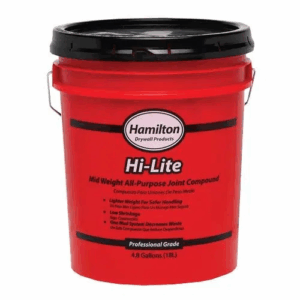
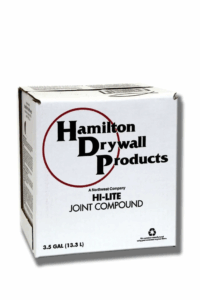
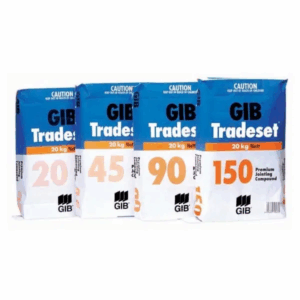
What are the approved Gib Base coats?
Gib Base coats
$59.70+gst
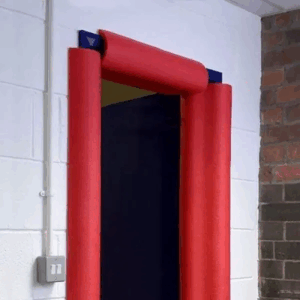
Where can I get Door Jamb protectors?
Door Jamb protectors
$20+gst each Tradextra
What Gutter protection while spraying?
Gutter protection while spraying $23+gst Pack of 4
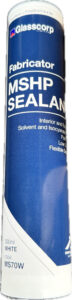
What Sealer for around glass/putty junction?
Sealer for around glass/putty junction
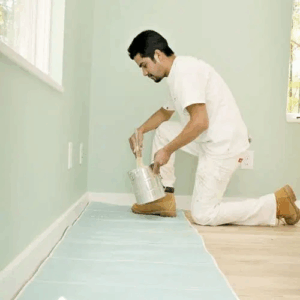
Where do I get Folding foam drop sheets?
Folding foam drop sheets
$55+gst Tradextra
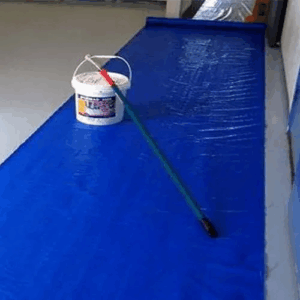
What do I use for floor covering (not for impact protection)?
Polyweave floor covering (not for impact protection)
$90 per 50 meter roll. Tradextra
What to use for Wooden Floor protection, (Impact)?
Floor protection first layer thin foam 1.2 x 3 mm x 20 metres long Tradextra $170+gst
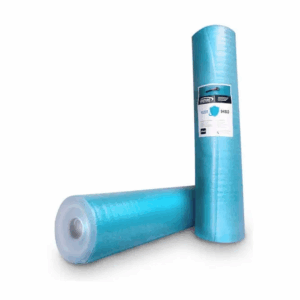
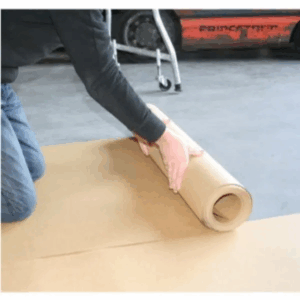
Floor protection impact protection (top layer) 900x 50meter roll $185+gst per roll
What are the best Grinding Disks for paint removal?
Grinding disks for paint removal.
Around $20 Tradextra or hardware stores

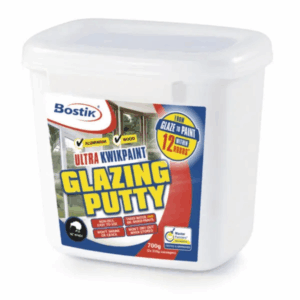
What is the Approved Glazing compound?
Approved Glazing compound $31+gst
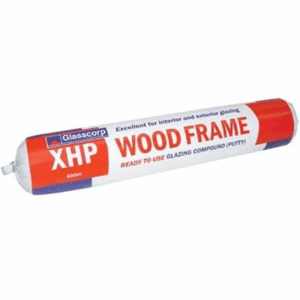
Glasscorp Putty Approved to use but not preferred $26+gst from Tradextra or Glasscorp
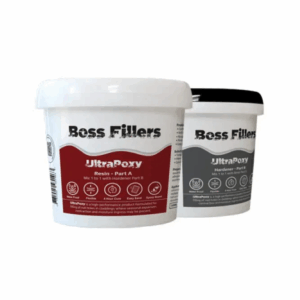
What is the Approved epoxy for new pine filling?
Approved epoxy for new pine filling
Tradextra $47+gst
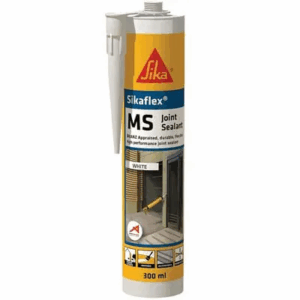
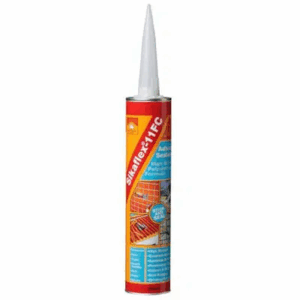
What are the Approved MS sealers for sealing around wall penetration’s?
Approved MS sealer for sealing around wall penetration’s
$26+gst
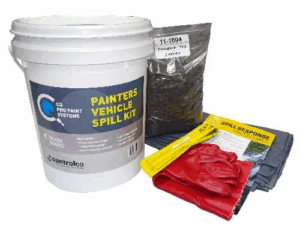
Where can I get a Painters Spill Kit?
Spill kit
Tradextra $170+gst
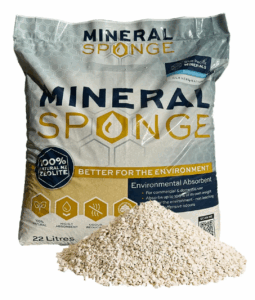
Spill kit moisture absorber
$51.50+gst Tradextra
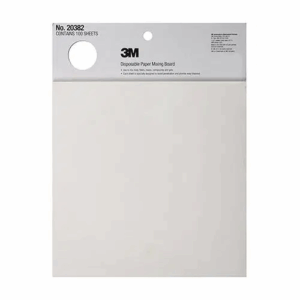
Where can I get Epoxy mixing Boards?
Epoxy mixing Boards
Tradextra
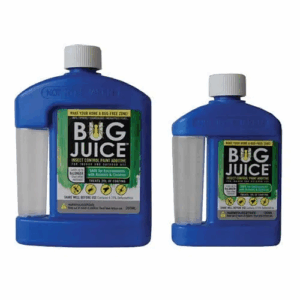
Where can I get Bug Juice?
Bug Juice
$35+gst Tradextra or Resene
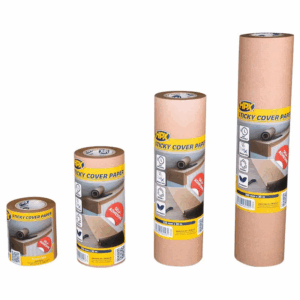
What is best to use around the edge of wooden floors?
Washi paper rolls Ideal for around the edge of wooden floors.
$10- $30 per roll Tradextra.
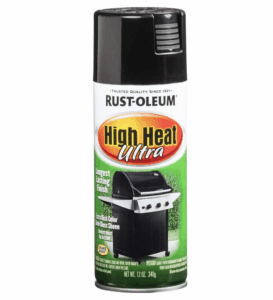
What is the best High heat black paint for fireplaces?
High heat black paint for fireplaces
$40 per can Tradextra – others also at hardware stores
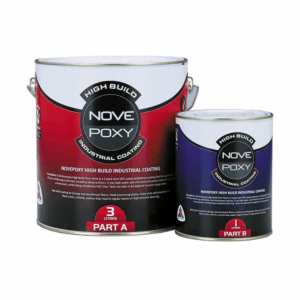
What is the best Flooring Epoxy for Garage Floors?
Flooring epoxy acrylic
$180+gst for 4L Tradextra
Garage floors – Read instructions!
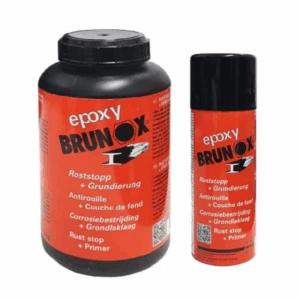
What is the best Rust Converter?
Rust converter
Tradextra $40+gst
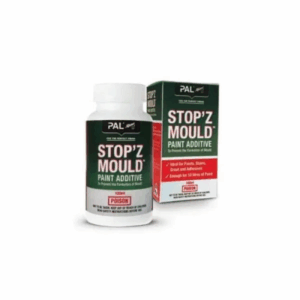
What is the best Mould Additive for paint?
Mould additive for paint.
$22+gst Tradextra or Hardware store
What is the best rust treatment and clear coat for steel?
Penetrol rust treatment and clear coat for steel.
$38+gst Bunnings

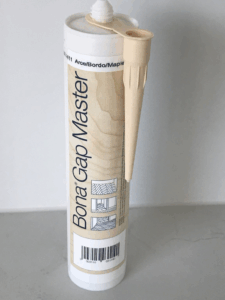
Where can I get Coloured Gap Filler, (Bona preferred)?
Coloured gap fillers (Bona preferred) $33+gst
9 Industry Road, Penrose
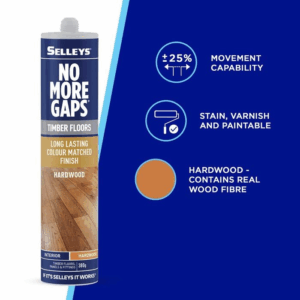
Where can I get a Coloured Gap Filler?
Selleys coloured gap filler (Bunnings) $33+gst
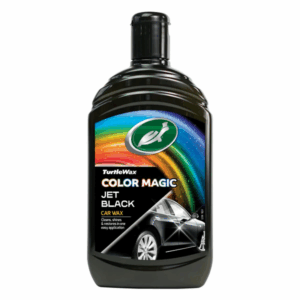
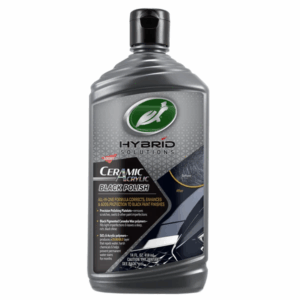
What Coloured Waxs do I use for Powder Coating?
Where can I get Custom Colour spray cans?
Custom colour spray cans (etch prime first)
Autopaint Henderson or Wairau paints 90 Wairau Road, Wairau Valley, Auckland 0627
Health & Safety:
How is Scaffold correctly erected?
Please read the PDF instructions here.

Or watch the video here.